
Getting locked out of your home, car, or office is one of those situations that can happen to anyone at any time. Whether you've misplaced your keys, broken a key in the lock, or experienced a security breach, you need immediate assistance from a professional locksmith. In a bustling city like New York, where timing is everything, understanding how emergency locksmith services work can save you time, money, and unnecessary stress.
At Broadway Locksmith NYC, located at 928 Broadway in Manhattan, we've helped thousands of New Yorkers navigate lockout emergencies and security concerns. This comprehensive guide will walk you through everything you need to know about emergency locksmith services, from what to expect during a call-out to how to identify trustworthy professionals in a city where locksmith scams are unfortunately common.
Why Emergency Locksmith Services Are Essential in NYC
New York City operates 24/7, and so do lock and key emergencies. The need for emergency locksmith services in Manhattan goes beyond simple lockouts. In a dense urban environment where security is paramount, having access to reliable emergency locksmith services is crucial for several reasons.
First, the pace of life in NYC means that people are constantly on the move, juggling multiple responsibilities. It's easy to accidentally lock keys inside an apartment, lose them during a commute, or have them stolen. When you're locked out at midnight in the Flatiron District or have a broken lock that compromises your security, waiting until morning isn't an option.
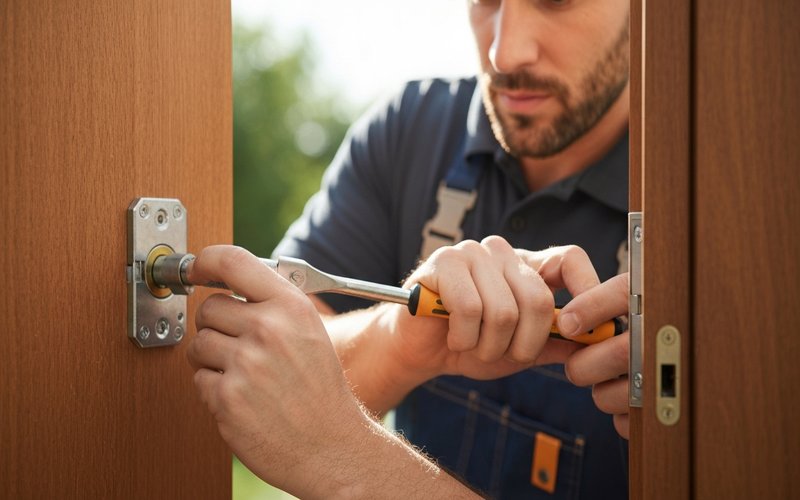
Second, NYC's diverse architectural landscape presents unique challenges. From pre-war buildings with vintage lock systems to modern high-security residential towers, emergency locksmiths need specialized knowledge and tools to handle various lock types efficiently. A professional emergency locksmith near 928 Broadway understands these local nuances and comes prepared for any situation.
Third, security concerns in urban environments require immediate attention. A malfunctioning lock, attempted break-in, or damaged door frame needs prompt professional intervention to ensure your safety and property protection. Delaying repairs can leave you vulnerable to security breaches.
What Does an Emergency Locksmith Do?
Emergency locksmiths provide urgent lock and key services outside of standard business hours or during critical situations. While many people associate locksmiths solely with lockout services, their scope of work extends far beyond simply getting you back inside.
Core Emergency Services Include:
- Residential Lockouts: Gaining entry to homes and apartments without damaging doors or frames
- Commercial Lockouts: Opening business premises to minimize operational downtime
- Automotive Lockouts: Unlocking vehicles and providing car key replacement services
- Lock Repairs and Replacements: Fixing broken, jammed, or damaged locks on-site
- Key Extraction: Removing broken keys stuck in locks
- Lock Rekeying: Changing lock mechanisms after lost keys or security concerns
- Emergency Security Upgrades: Installing new locks after break-ins or security breaches
- Safe Opening: Accessing locked safes when combinations are forgotten or mechanisms fail
Understanding Emergency Locksmith Costs in NYC
One of the most common questions people have is: "How much should a locksmith cost in NYC?" Pricing transparency is crucial, and understanding the typical cost structure helps you identify fair rates versus price gouging.
Standard Pricing Components
Service Call Fee: Most locksmiths charge a call-out or trip fee simply for coming to your location. In NYC, this typically ranges from $65 to $125, depending on the time of day and your location. Areas around 928 Broadway in Midtown Manhattan usually fall within this range.
Labor Costs: The actual work performed—picking a lock, rekeying, or replacing hardware—costs additional. Standard lockout services typically range from $75 to $150 for basic residential locks during business hours. Commercial and high-security locks cost more due to complexity.
After-Hours Premium: Emergency services during nights, weekends, or holidays often include a premium surcharge of 25-50% above standard rates. This is industry-standard and reflects the locksmith's availability outside normal hours.
Parts and Materials: If lock replacement or new keys are needed, you'll pay for the hardware. A basic residential lock might cost $50-$100, while high-security locks can run $200-$500 or more.
How Much Should a Locksmith Cost Per Hour?
While many locksmith services are charged per job rather than hourly, when hourly rates apply, expect to pay between $100 and $200 per hour in NYC. However, most emergency lockouts are completed within 30 minutes, so hourly rates are less common for these services.
A typical residential lockout in Manhattan should cost between $150 and $250 total, including the service call and labor. If you're quoted significantly more without clear explanation of additional services or specialized equipment needed, consider getting a second opinion.
Key Factors to Consider When Choosing an Emergency Locksmith
Selecting the right locksmith during an emergency can be challenging, especially when stress levels are high. However, taking a moment to verify certain credentials can protect you from scams and ensure quality service.
Essential Qualities of a Reputable Locksmith
Physical Business Address: Legitimate locksmiths operate from actual business locations, not just P.O. boxes or virtual addresses. Broadway Locksmith NYC maintains a physical presence at 928 Broadway, which demonstrates stability and local accountability.
Proper Licensing and Insurance: While New York State doesn't require specific locksmith licensing, reputable businesses carry liability insurance and are registered as legitimate businesses. Don't hesitate to ask for proof of insurance.
Transparent Pricing: Professional locksmiths provide estimates over the phone based on your description of the problem. They should clearly explain their service call fee, approximate labor costs, and inform you if additional charges might apply.
Branded Vehicles and Uniforms: Technicians should arrive in clearly marked company vehicles and wear identifiable uniforms or badges. This demonstrates professionalism and helps you verify their identity.
Local Reputation: Check online reviews on multiple platforms—Google, Yelp, and the Better Business Bureau. Look for patterns in feedback rather than focusing on isolated complaints.
24/7 Availability: True emergency locksmith services maintain round-the-clock availability with actual technicians on call, not just answering services that dispatch contractors.
Questions to Ask Before Hiring
When you call for emergency locksmith services, ask these important questions:
1. What is your exact business name and physical address? 2. What is the total estimated cost, including all fees? 3. Are you licensed and insured? 4. How long until a technician can arrive? 5. What identification will your technician have? 6. Do you guarantee your work?
Legitimate locksmiths welcome these questions and provide clear, confident answers. Evasive responses or reluctance to provide specific information should raise red flags.
How to Avoid Locksmith Scams in NYC
Unfortunately, locksmith scams are prevalent in major cities, including New York. Fraudulent operators take advantage of people in vulnerable situations, using deceptive practices to overcharge or perform unnecessary work.
Common Red Flags to Watch For
Vague Business Identity: Scam locksmiths often use generic names like "Locksmith NYC" or "Emergency Locksmith" without specific business identities. They may list multiple names and addresses that don't actually exist.
Unmarked Vehicles: If a technician arrives in an unmarked personal vehicle with no company branding, this is a major warning sign. Legitimate businesses invest in professional vehicle wraps and signage.
No Quoted Price: Fraudulent locksmiths refuse to provide even approximate pricing over the phone, claiming they must see the lock first. While final prices may vary, reputable locksmiths offer reasonable estimates based on your description.
Drill-First Mentality: Scammers often immediately drill out locks rather than attempting proper lock-picking techniques. Drilling should be a last resort for damaged or high-security locks, not the first option.
Demand for Cash Payment: While many locksmiths prefer cash, insisting on cash-only payment without offering card or check options can indicate illegitimate operations trying to avoid paper trails.
Price Switching: The technician quotes one price over the phone but dramatically increases it upon arrival, claiming the job is more complicated than expected. Some even hold your keys or property hostage until you pay inflated prices.
Protecting Yourself from Scams
Do Your Research in Advance: Don't wait for an emergency to find a locksmith. Identify reputable local providers like Broadway Locksmith NYC before you need them, and save their contact information.
Get Multiple Quotes: If time permits, call several locksmiths to compare pricing. Quotes that are significantly lower or higher than the average should prompt additional scrutiny.
Request Written Estimates: Before any work begins, ask for a written estimate that includes all anticipated costs. Don't authorize work until you've reviewed and agreed to the pricing.
Trust Your Instincts: If something feels wrong—whether it's evasive answers, unprofessional behavior, or pressure tactics—don't proceed. You have the right to refuse service.
Document Everything: Take photos of the technician's ID, vehicle, and license plate. Keep all receipts and written documentation. This protects you if disputes arise later.
The Benefits of Hiring a Local Locksmith
While national locksmith chains and dispatch services have their place, working with a local locksmith near 928 Broadway offers distinct advantages, especially during emergencies.
Faster Response Times
Local locksmiths can typically reach your location much faster than technicians dispatched from across the city. When you're locked out in cold weather or a potentially unsafe situation, every minute matters. A locksmith based in Midtown Manhattan can usually arrive within 20-30 minutes to addresses throughout the area.
Neighborhood Expertise
Local locksmiths understand the specific challenges of your area. They're familiar with the building types around Union Square and the Flatiron District, common lock systems used in neighborhood construction, and even the typical security concerns residents and businesses face.
Accountability and Reputation
Businesses with physical locations in the community have reputations to protect. They rely on word-of-mouth referrals and repeat customers, which incentivizes quality work and fair pricing. A local locksmith won't risk their standing in the community with poor service.
Relationship Building
Working with the same local locksmith creates an ongoing relationship beneficial for future needs. They become familiar with your property's security setup, can maintain records of your lock systems, and provide personalized service based on your history.
Supporting Local Economy
Choosing local businesses keeps money circulating within your community, supporting neighborhood employment and economic vitality.
How to Find a Good Locksmith Near 928 Broadway
Finding a reliable locksmith in Manhattan requires a strategic approach, combining online research with practical verification steps.
Online Research Methods
Google Maps Search: Start by searching "emergency locksmith near 928 Broadway" on Google Maps. This shows locksmiths with verified physical locations and customer reviews. Pay attention to response rates to reviews and how businesses handle complaints.
Review Analysis: Read reviews critically. Look for detailed accounts of customer experiences rather than brief, generic praise. Notice patterns—if multiple reviewers mention fair pricing or quick response times, that's meaningful. Be wary of numerous reviews posted in short timeframes, which may indicate fake reviews.
Better Business Bureau: Check the BBB website for business ratings, complaint history, and resolution records. While not all legitimate businesses are BBB-accredited, the platform provides valuable complaint information.
Professional Associations: Organizations like the Associated Locksmiths of America (ALOA) maintain directories of certified professionals who meet industry standards.
Verification Steps
Call and Evaluate: Phone your top candidates with a hypothetical scenario. Assess their professionalism, willingness to provide information, and pricing transparency.
Visit in Person: If possible, stop by their business location during non-emergency times. Meeting staff and seeing their operation firsthand provides valuable insight.
Ask for References: Reputable locksmiths can provide references from satisfied customers or businesses they regularly serve.
Check Social Media: Active, authentic social media presence with customer interactions and project photos indicates a legitimate, engaged business.
What Locks Can Locksmiths Not Open?
While professional locksmiths can open the vast majority of locks, certain high-security systems present challenges that require specialized approaches or may be nearly impossible to open without keys or combinations.
Advanced Electronic Locks: Some sophisticated electronic locking systems with encryption and anti-tampering features resist traditional locksmith techniques. These may require manufacturer intervention or electronic bypassing expertise.
Specialized Safe Locks: While most safes can be opened by experienced safe technicians, some high-security safes with glass relocking mechanisms or manipulation-resistant combinations require extremely specialized skills and time.
Severely Damaged Locks: Locks that have been deliberately damaged, corroded, or tampered with may need to be drilled and replaced rather than picked or manipulated.
Proprietary Systems: Some commercial buildings use proprietary security systems with restricted keyways, where only authorized dealers can provide keys or service.
However, experienced locksmiths like those at Broadway Locksmith NYC have encountered virtually every lock type used in NYC buildings and maintain the tools and expertise to handle even challenging situations.
Do You Have to Pay a Locksmith?
This question seems obvious, but it's worth addressing clearly: Yes, you must pay for locksmith services. Locksmiths are skilled professionals providing specialized services, often at inconvenient hours.
When Payment Is Required
Payment is expected immediately upon service completion. Most locksmiths accept multiple payment methods:
- Cash (often with a small discount)
- Credit and debit cards
- Mobile payment apps
- Business checks (for commercial clients with established relationships)
Payment Disputes
If you believe you've been overcharged or received poor service:
1. Discuss concerns with the technician or company management immediately 2. Request an itemized receipt showing all charges 3. Compare charges to the original estimate 4. If resolution isn't reached, file complaints with the Better Business Bureau and consumer protection agencies 5. Consider disputing credit card charges through your bank if fraud is evident
Legitimate locksmiths stand behind their work and will work to resolve reasonable complaints. However, refusing to pay for properly performed services at agreed-upon prices can result in collections actions or legal consequences.
Preparing for Lock and Key Emergencies
While you can't prevent every emergency, preparation minimizes stress and expense when lock problems occur.
Prevention Tips
Spare Keys: Create and store spare keys with trusted neighbors, family members, or in secure key storage solutions. Avoid "hiding" keys in obvious places like under doormats.
Key Awareness: Develop habits that reduce key loss—designated spots for keys at home, keychains attached to bags, or tracking devices on key rings.
Regular Maintenance: Periodically lubricate locks with graphite powder and check for wear or damage. Replace worn keys before they break in locks.
Security Audits: Assess your locks annually. Upgrade old or compromised locks proactively rather than waiting for failure.
Digital Backups: Consider smart locks with keypad or phone app access as backups to traditional keys, though maintain emergency access methods if batteries fail.
Creating an Emergency Plan
Research in Advance: Identify reputable locksmiths now and save their contact information. Broadway Locksmith NYC's number should be in your phone before you need it.
Know Your Locks: Keep records of your lock types, brands, and any special features. This information helps locksmiths prepare appropriate tools and parts.