
Living in New York City means experiencing all four seasons in their full glory—from sweltering summers to freezing winters. While you're busy preparing your wardrobe and home for seasonal changes, there's one critical aspect of home maintenance that often gets overlooked: your locks and security systems. At Broadway Locksmith NYC, located at 928 Broadway, New York, NY 10010, we've seen firsthand how seasonal weather changes can impact your home's security. This comprehensive guide will walk you through the best seasonal locksmith maintenance tips to keep your property secure throughout the year.
Why Seasonal Lock Maintenance Matters in New York
New York's dramatic seasonal shifts create unique challenges for locks and security hardware. The combination of humidity, temperature fluctuations, rain, snow, and salt exposure can cause locks to corrode, freeze, stick, or fail completely. Regular maintenance isn't just about preventing inconvenience—it's about ensuring your family's safety and protecting your property investment.
Many property owners don't realize that locks are mechanical devices that require periodic attention. Just like you service your HVAC system or change your smoke detector batteries, your locks need seasonal care. Neglecting this maintenance can lead to emergency lockouts, security vulnerabilities, and costly repairs.
Spring Locksmith Maintenance: Renewal and Inspection
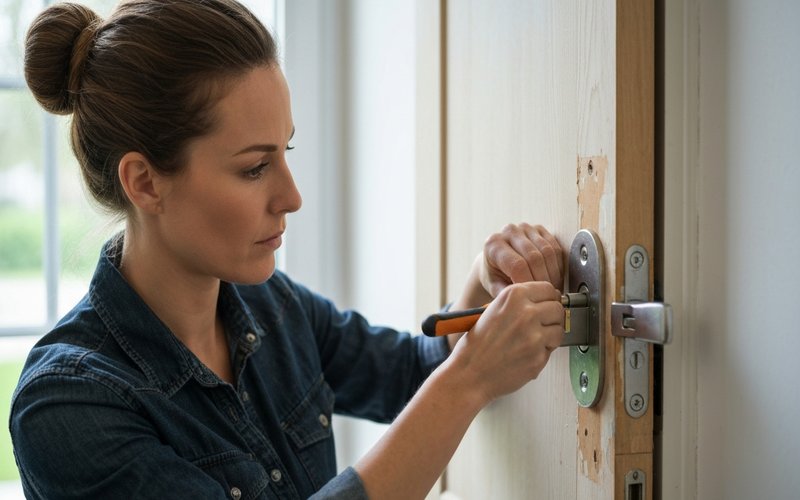
Spring is the perfect time to assess the damage winter may have caused to your locks and security systems. After months of freezing temperatures, salt exposure, and moisture, your locks deserve a thorough inspection.
Deep Cleaning After Winter
Winter's harsh conditions leave behind residue, salt deposits, and moisture that can compromise your locks' functionality. Start by wiping down all exterior locks with a damp cloth to remove accumulated grime and salt. Pay special attention to deadbolts, doorknobs, and padlocks that have been exposed to the elements.
For the best seasonal locksmith maintenance tips, locksmith professionals at 928 Broadway, New York, NY 10010 recommend using a specialized lock cleaner or a mild soap solution. Avoid using harsh chemicals that could damage the lock's internal mechanisms or finish.
Lubrication is Essential
After cleaning, proper lubrication is crucial. Use a graphite-based lubricant or a specialized lock lubricant—never WD-40 or oil-based products, which can attract dust and gum up the mechanism over time. Insert the lubricant into the keyway and work the key in and out several times to distribute it evenly.
Check for Rust and Corrosion
Inspect all locks for signs of rust or corrosion, which are common after winter exposure. Surface rust can often be addressed with fine steel wool and lubricant, but extensive corrosion may require professional attention or lock replacement.
Test All Keys
Spring is an ideal time to test all your keys. If you notice any sticking, resistance, or difficulty turning keys, don't ignore it. These are warning signs that could lead to a broken key or complete lock failure. Create a list of any problematic locks and have them serviced by a professional.
Summer Locksmith Maintenance: Humidity and Heat Management
Summer in New York brings its own set of challenges, particularly humidity and heat expansion, which can affect lock performance.
Address Humidity-Related Issues
High humidity can cause wooden doors to swell, affecting lock alignment. If you notice that locks are becoming harder to operate during humid weather, the door frame may have shifted. This misalignment puts extra stress on locks and can lead to premature failure.
Check the alignment of your strike plates and ensure they're properly positioned. If doors are sticking or locks are difficult to engage, you may need to adjust the strike plate or plane down the door edge.
Protect Outdoor Locks
Summer weather means more outdoor activities and increased use of gates, sheds, and garage locks. Inspect all outdoor padlocks and gate locks for proper function. Consider upgrading to weather-resistant locks if you haven't already.
Vacation Security Preparation
Before summer vacation, perform a complete security check. Test all locks, replace batteries in electronic locks, and consider having a professional inspection. Many homeowners discover lock issues right before leaving town—don't let this happen to you.
Key Cutting and Duplicates
Summer is an excellent time to have spare keys made for family members, house sitters, or trusted neighbors. Ensure all keys are properly cut and tested before you need them in an emergency.
Fall Locksmith Maintenance: Preparing for Winter
Fall maintenance is about preparation. The work you do now will determine how well your locks perform during the harsh winter months ahead.
Weatherproofing Your Locks
Before temperatures drop, take steps to weatherproof your exterior locks. Install or replace lock covers on deadbolts and padlocks. These inexpensive accessories provide crucial protection against moisture and ice accumulation.
Apply a heavy-duty lubricant to all exterior locks to create a barrier against moisture. This preventive measure can save you from frozen locks and emergency lockout situations during winter.
Window Lock Inspection
As you prepare to close windows for the season, inspect all window locks for proper function. Fall is when burglary rates typically increase as days get shorter. Ensure all window locks engage properly and consider upgrading older, weaker locks to more secure options.
Door Closer Adjustments
If you have automatic door closers, fall is the time to adjust them. Door closers can become sluggish in cold weather, so ensure they're properly tensioned now. A door that doesn't close fully compromises your security.
Smart Lock Battery Checks
For electronic and smart locks, fall is the ideal time to replace batteries, even if they're not yet depleted. Fresh batteries ensure reliable operation throughout winter when you're most dependent on secure access to your warm home.
Winter Locksmith Maintenance: Cold Weather Protection
Winter is the most challenging season for locks in New York. Freezing temperatures, ice, and snow create conditions that can cause lock failure when you need them most.
Preventing Frozen Locks
Frozen locks are among the most common winter emergencies. Prevention is key. Never force a frozen lock, as this can break your key or damage the lock mechanism. Instead, use a lock de-icer spray or a heated key to gently thaw the lock.
Keep a lock de-icer in your car or bag—not inside the house where you can't access it when locked out. Many residents searching for "Sky locksmith yelp" during winter storms are dealing with preventable frozen lock situations.
Snow and Ice Removal
Regularly clear snow and ice away from door locks and frames. Accumulated snow can melt during the day and refreeze at night, creating ice buildup that prevents proper lock function.
Indoor Lock Attention
Don't forget about interior locks during winter. Heated indoor air is often very dry, which can affect lock mechanisms. Periodically lubricate interior locks, especially those on bedroom and bathroom doors that see frequent use.
Emergency Preparation
Winter is when emergency locksmith services see peak demand. Have the contact information for a reliable locksmith like Broadway Locksmith NYC readily available. Store it in your phone and keep a written copy in your wallet.
Professional Lock Maintenance Services
While DIY maintenance is valuable, professional locksmith services provide comprehensive care that extends the life of your locks and enhances security.
Annual Professional Inspections
Consider scheduling an annual professional lock inspection. A qualified locksmith can identify issues that aren't apparent to untrained eyes, such as internal wear, security vulnerabilities, or opportunities for upgrades.
Professional locksmiths have specialized tools and expertise to service locks properly without causing damage. They can also provide security assessments to identify weak points in your property's defense.
When to Call a Professional
Certain situations always warrant professional attention:
- Keys that break off in locks
- Locks that won't open or close properly
- Signs of forced entry or tampering
- Lost or stolen keys requiring rekeying
- Upgrading to high-security locks
- Installing new security systems
Understanding Locksmith Costs
Many people wonder, "How much does a locksmith cost in NYC?" Costs vary based on service type, time of day, and complexity. Standard service calls typically range from $75 to $150, while emergency after-hours services may cost more.
Rekeying locks generally costs $50-$100 per lock, while lock replacement ranges from $100-$300 depending on the lock quality. Smart lock installation can range from $150-$500 including hardware.
For those wondering what to do if you can't afford a locksmith, consider that preventive maintenance is much more affordable than emergency services. Regular maintenance can prevent costly emergencies and extend lock life, saving money long-term.
Lock Types and Their Seasonal Needs
Different lock types require specific seasonal attention.
Deadbolts
Deadbolts are your primary security feature and deserve extra attention. Check that the bolt extends fully and retracts smoothly. Ensure the strike plate is securely fastened with long screws that reach into the door frame studs.
Seasonally lubricate the bolt mechanism and keyway. If the deadbolt becomes difficult to operate, address it immediately—a failing deadbolt is a security risk.
Doorknob Locks
While doorknob locks shouldn't be your only security measure, they still require maintenance. Test the spring mechanism by turning the knob—it should return smoothly to position. Lubricate the internal mechanism through the keyway.
Smart Locks
Electronic and smart locks require additional seasonal considerations. Check battery levels before each season change. Clean battery contacts to prevent corrosion. Update firmware as recommended by manufacturers.
Extreme temperatures can affect electronic locks, so monitor their performance during heat waves and cold snaps. Keep backup mechanical keys in a secure location in case of electronic failure.
Padlocks
Outdoor padlocks face the harshest conditions. For best results, use marine-grade or weather-resistant padlocks for outdoor applications. Apply heavy-duty lubricant before winter and inspect regularly for rust.
Consider bringing valuable padlocks indoors during extreme weather if possible, such as those on bike locks or portable storage.
Security Hardware Beyond Locks
Complete seasonal maintenance extends beyond locks to related security hardware.
Door Hinges
Check all door hinges seasonally. Tighten loose screws, lubricate hinge pins, and ensure doors hang properly. A door that doesn't close fully due to worn hinges compromises security even with the best locks.
Strike Plates
Inspect strike plates for proper alignment and secure fastening. Strike plates should be attached with 3-inch screws that penetrate the door frame studs, not just the door jamb.
Door Frames
Examine door frames for rot, damage, or weakness. Even the best locks are ineffective if mounted in a compromised frame. Address any structural issues immediately.
Security Chains and Viewers
Test security chains and door viewers. Chains should be securely mounted and function smoothly. Door viewers should provide clear visibility. Replace foggy or damaged viewers for optimal security.
Common Lock Problems and Solutions
Understanding common lock issues helps you address them quickly.
Sticky or Stiff Locks
Stiff locks usually indicate dirt accumulation, lack of lubrication, or internal wear. Clean and lubricate first. If the problem persists, professional service may be needed. Never force a sticky lock, as this can cause permanent damage.
Keys That Won't Turn
If keys won't turn smoothly, check for bent keys, misaligned locks, or internal obstruction. Try a duplicate key to rule out key damage. Lubrication often resolves this issue, but persistent problems require professional attention.
Loose Doorknobs or Handles
Loose hardware is both a security risk and a convenience issue. Tighten set screws and mounting screws seasonally. If hardware continues to loosen, the mounting holes may be stripped and require repair.
Misaligned Locks
Door settling, frame shifting, or hinge wear can cause lock misalignment. This puts excessive stress on locks and can lead to failure. Address alignment issues promptly by adjusting hinges, strike plates, or seeking professional help.
DIY vs. Professional Maintenance
Understanding when to DIY and when to call a professional ensures the best results.
Safe DIY Tasks
Homeowners can safely handle:
- Basic cleaning and lubrication
- Tightening loose hardware
- Replacing batteries in electronic locks
- Installing lock covers
- Testing lock function
- Making duplicate keys at hardware stores
When to Call Professionals
Professional help is recommended for:
- Rekeying locks
- Installing new locks
- Repairing broken locks
- Removing broken keys
- Security system upgrades
- Lock picking after lockouts
- High-security lock installation
The Business Perspective: What Locksmiths Do
Many people ask, "What do locksmiths usually do repairs to?" Professional locksmiths handle much more than emergency lockouts. They repair and maintain all types of locks, install security systems, rekey locks, cut specialized keys, repair door closers, service safes, and provide security consultations.
Regarding locksmith income, people often wonder, "How much do locksmiths make in New York?" Experienced locksmiths in New York can earn between $45,000 and $75,000 annually, with master locksmiths and business owners earning significantly more. The question "What's the hourly rate for a locksmith?" typically ranges from $75-$150 per hour depending on expertise and service type.
While locksmiths don't typically fall into the category of "what professions make $500,000 a year," successful locksmith business owners with multiple employees and commercial contracts can achieve substantial incomes through hard work and business acumen.
Creating Your Seasonal Maintenance Schedule
Implementing these best seasonal locksmith maintenance tips requires organization. Create a seasonal checklist that includes:
Spring (March-May):
- Deep clean all exterior locks
- Lubricate all locks
- Test all keys and duplicates
- Inspect for winter damage
- Schedule professional inspection
- Check humidity-related alignment issues
- Service outdoor locks and gates
- Pre-vacation security check
- Cut spare keys as needed
- Weatherproof exterior locks
- Replace smart lock batteries
- Inspect window locks
- Adjust door closers
- Heavy lubrication application
- Clear snow and ice regularly
- Keep de-icer accessible
- Monitor indoor locks
- Check weatherproofing effectiveness
Upgrading Your Security
Seasonal maintenance is an excellent opportunity to evaluate whether your current locks meet your security needs. Consider upgrades if:
- Locks are more than 10 years old
- You've experienced a security breach
- Keys have been lost or stolen
- You're using builder-grade locks
- You want smart home integration
- Locks show significant wear
Environmental Considerations
New York's urban environment presents unique challenges beyond weather. Air pollution, construction dust, and urban grime can affect lock performance. Locks near busy streets accumulate more contaminants and require more frequent cleaning.
If you live near the water, salt air increases corrosion risk. Consider upgrading to marine-grade or st